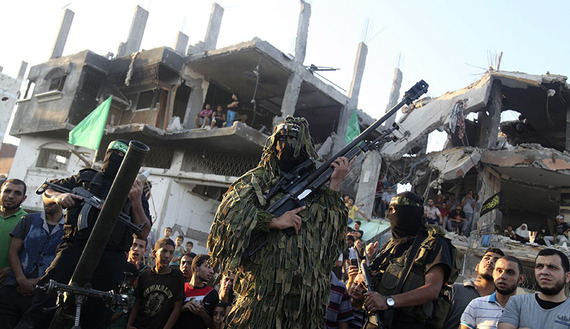
1. The US vetoed the Security Council Resolution for an immediate ceasefire in Gaza against 14 Member States of the Security Council who voted for it. The reason for the US veto is that the resolution did not call for Hamas to lay down its arms and exit Gaza and there was no call to release all of the hostages. Those are reasonable demands. Regarding the call on Hamas to lay down their weapons and exit Gaza – that must come from the Palestinian people if there is any expectation that it would actually happen.
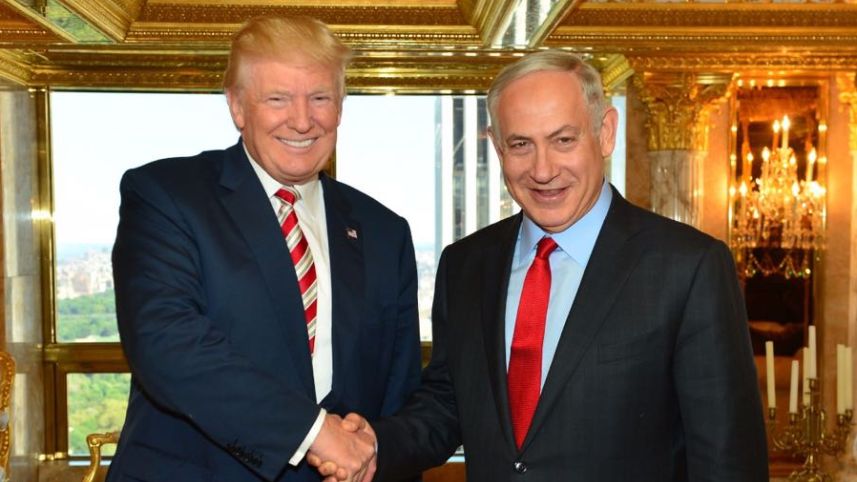
2. I have been writing in the last 2 weeks that I believed that President Trump would tell Netanyahu to end the war and make a deal with Hamas. According to the mediators from the US, Qatar, and Egypt, Hamas is willing to make a deal immediately in which they would release all of the hostages at one time, but they demand a significant release of Palestinian prisoners from Gaza including a lot of Gazans who are non-combatants and are being held as hostages in Israel. Hamas also demands massive humanitarian aid to enter Gaza without Israeli interference (beyond necessary security checks) and most importantly Hamas demands a permanent ceasefire backed by US guarantees. The mediators from all three sides say that Netanyahu is not prepared to end the war or to accept a permanent ceasefire. Nor is Netanyahu willing to completely withdraw from Gaza. Mediators from two of the three sides have told me that Trump will not order Netanyahu to end the war and to make a deal. I hope that they are wrong – this is their assessment, not their inside knowledge. Trump needs to be reminded that he could actually get the Nobel Peace Prize if he brings an end to the war in Gaza. As long as Netanyahu is Prime Minister and his coalition is solid, it seems that there will be no deal, unless Trump interferes. Hamas is ready, apparently to accept a partial deal, but not without US guarantees that a permanent ceasefire at the end of the temporary ceasefire would be assured. They also hold firm to their demand about a major increase in humanitarian aid.
3. I am asked all the time if I agree to a deal that essentially leaves Hamas in control of Gaza. My answer is that Hamas is not really in control of Gaza today. The Hamas command which is left in Gaza is 3rd, 4th and 5th tier level officers who have no real army, no battalions, no stockpile of weapons or real ability to produce new weapons. There are no Hamas political leaders of importance left in Gaza. The people of Gaza don’t want Hamas there anymore. The Hamas leaders in outside of Gaza in Doha, Cairo and Istanbul will not be able to control what happens in Gaza for much longer. Some Hamas people in Gaza have said that they need to hold on to their weapons to protect themselves and their families from Gazans who will kill them if they are unarmed. In order to release the remaining 56 hostages Israel must make a deal with Hamas and there must remain some kind of Hamas ability left in Gaza to implement the deal. There has always been a contradiction between the two Israeli goals in this war – bringing down Hamas and bringing the hostages home.
4. One last thing to consider – whoever is still thinking about the day after this war, I believe that it is essential to put conducting Palestinian elections high on the agenda. The Palestinian people need to make their own decision on the kind of leadership they want. This is the only way to achieve Palestinian unity. It is also the best way to remove Hamas from having power. It is difficult to predict the outcome of those elections, but it seems to me that Hamas which committed collective Palestinian suicide on October 7 would not win. I have said to Palestinians and written in Palestinian newspapers that when the Palestinians conduct their next elections, they should have in their election law a determination that political parties that support the armed struggle should not be allowed to participate. The decision to use arms should be a decision only taken by the sovereign. There cannot be militias in the State of Palestine and the State of Palestine will never get recognition of Israel if the Palestinian people are not going to be committed to resolving the conflict through non-violent means. Palestinians must change their leaders, just as we in Israel must change our leaders – and the sooner the better!