Insights
Salam Fayyad’s State-Building Plan
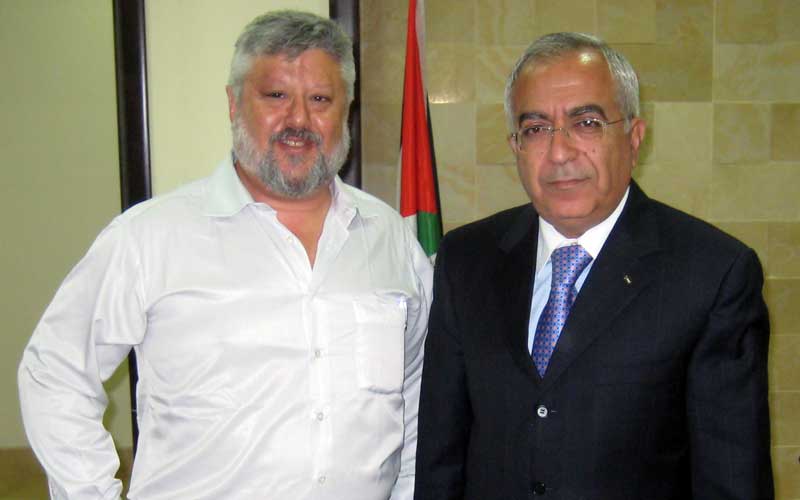
Gershon Baskin contributes his summary of the progress the Palestinian Authority has made with Salam Fayyad’s State-Building Plan
Gershon Baskin contributes his summary of the progress the Palestinian Authority has made with Salam Fayyad’s State-Building Plan
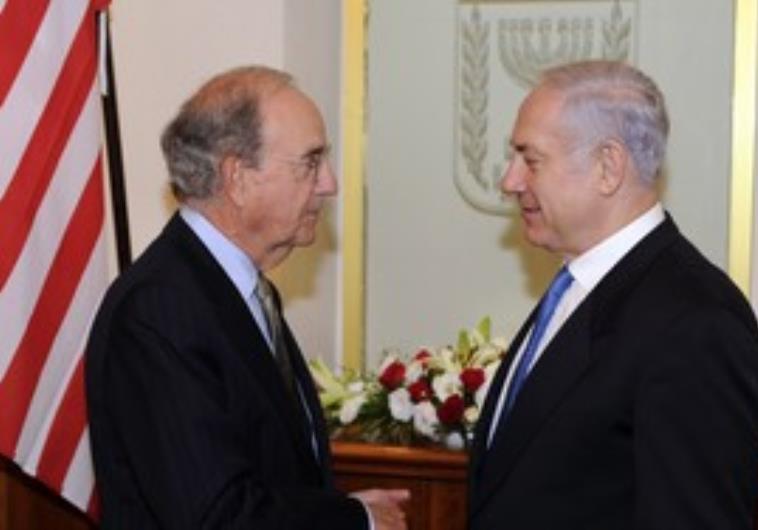
Direct Israeli-Palestinian negotiations are likely to begin in the near future. The international community under the conductor’s wand of the Obama Administration has applied considerable pressure to Palestinian President Mahmoud Abbas to withdraw from all of his demands for setting the conditions for his participation in the negotiations.
ALMOST NO ONE IN THE MIDDLE EAST HAS ANY confidence that proximity talks will lead to an Israeli-Palestinian agreement. In my view, however, if conducted with the full weight of the office of the president of the United States behind them, including a readiness to make full use of the diplomatic tool box, these talks do have some chance of success.
Israeli-Palestinian negotiations have finally been renewed. Even though the current round of talks is not direct, the parties are dealing with the core issues with the goal of reaching a permanent status agreement at some point. According to news reports, the first topics on the agenda are borders and security arrangements, both of which will rapidly lead to negotiations on Jerusalem and refugees.
I am writing from a Gulf Air flight from Bahrain to Amman after attending a conference on nuclear energy run by the Gulf Cooperation Council for Foreign Relations. Ironically, my in-flight reading is Thomas Friedman’s award-winning book The Lexus and the Olive Tree – a brilliant explanation of the meaning of globalization and its impacts on the world.
Last evening I went to dinner with two young Bahraini women who are breaking new frontiers for youth around the region through the Internet. We were connected by Eyal Raviv, a young Israeli social entrepreneur who created “mepeace.org” – the Facebook of peacemakers. Eyal met the Bahrainis and other young Arabs at a social entrepreneurs conference in London in early March.
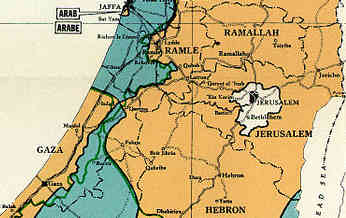
Gershon Baskin, Nizar Farsakh and David Newman share their ideas about how to determine the borders between the Jewish and Muslim Peoples in the Middle East.
It doesn’t look good at the moment,but developments in direct negotiations are all we have if we want this conflict to end.
The US political calendar is a map of the window of opportunity which might exist for advancing Israeli-Palestinian peace.
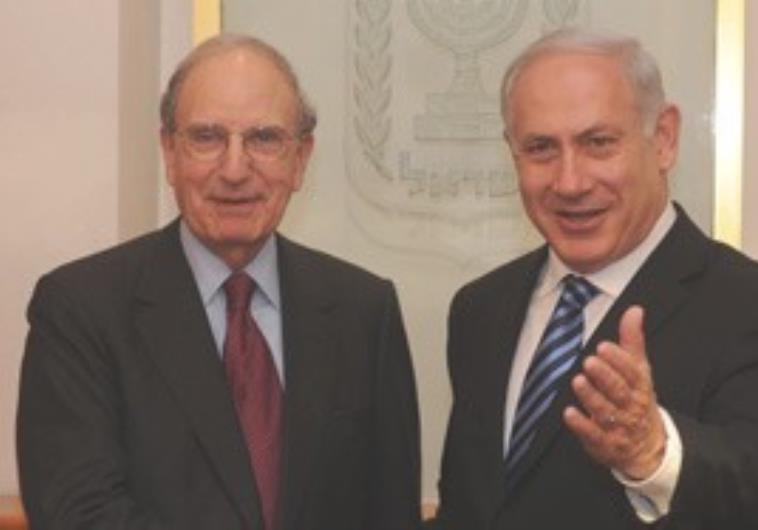
History has shown us Israelis and Palestinians that we have good reason not to trust each other, so why should we now? Because we should see this as a challenge and not a doomed fate.
Gershon Baskin responds to Pierre Schori, who reminds us that Europe has a key leading role to play in advancing Israeli-Palestinian peace that even the United States cannot do.