Insights
Security, reciprocity and mutuality
Security is the most fundamental element of the Israeli-Palestinian negotiations and their outcome must create a reality in which security is enhanced, not reduced.
Security is the most fundamental element of the Israeli-Palestinian negotiations and their outcome must create a reality in which security is enhanced, not reduced.
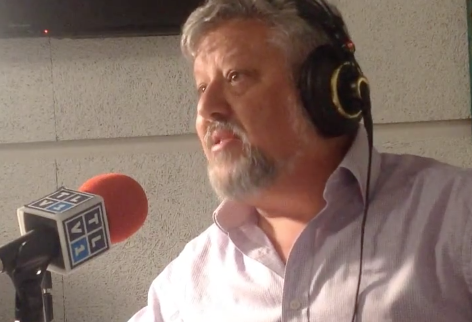
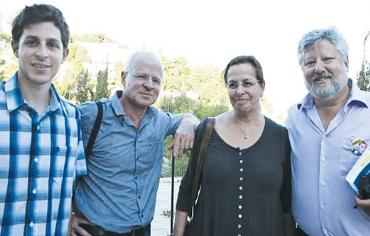
Gershon Baskin shares his insights on how he was instrumental in mediating between the Hamas and Israeli governments, which eventually brought about the release of Israeli soldier Gilad Schalit after more than five years in captivity.
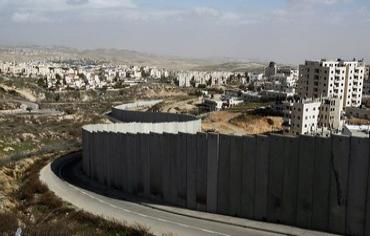
I have yet to figure out what people on the Right propose instead of partitioning the land into two states for two peoples.
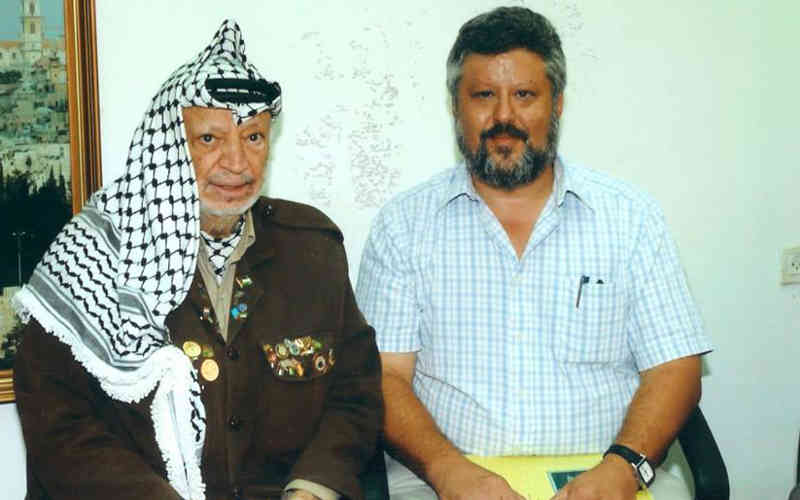
Israel is no less the state of Palestinian Arabs who were born here for generations than it is the state of a new Jewish immigrant from Ethiopia, Russia or France.
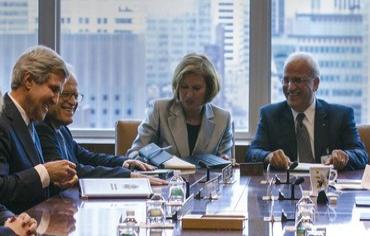
As long as the parties are talking, Israel can continue to say that its hand is outstretched in peace to its neighbors.
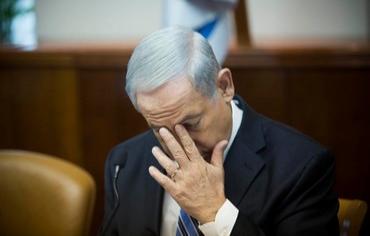
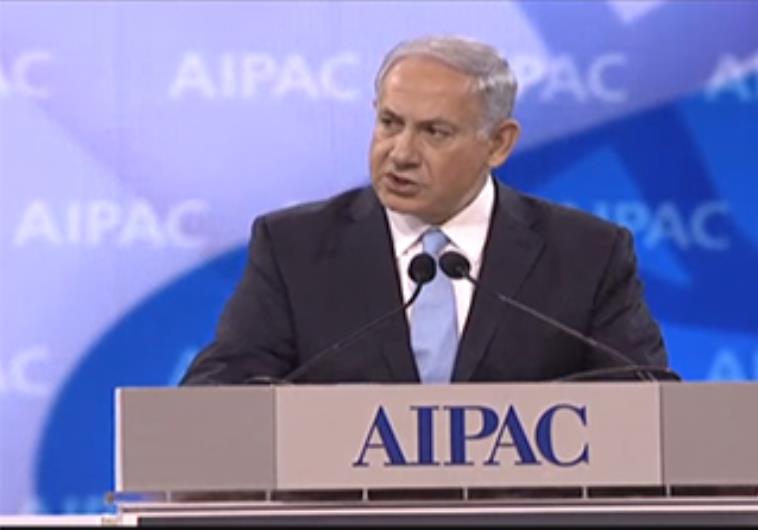
Netanyahu as the leader of the right wing in Israel is the ideal political leader to make the deal with the Palestinians.
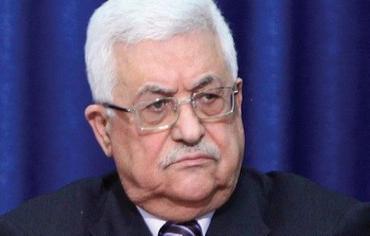
Examining some of the intricacies of the Israeli-Palestinian relationship through Netanyahu’s recent proposal to allow settlers who don’t withdraw, to remain in future Palestinian state.
Gershon Baskin wishes that there was room for grassroots activities for peace, separate and joint, but it seems that the time is not yet ripe for that since although a majority of Israelis and Palestinians want peace, a majority on both sides, roughly the same size, does not believe that it is possible.
There is only one solution to the Israeli- Palestinian conflict – two states for two peoples.
Now, with talks in Israel about the possible failure of negotiations once again, there are renewed utterances about the need to once again engage in unilateralism.