Insights
The democracy of Palestine
Gershon Baskin believes that if there is one thing clear as day, it is that the Palestinian people in Gaza and the West Bank want to have their say on their leadership in a democratic way.
Gershon Baskin believes that if there is one thing clear as day, it is that the Palestinian people in Gaza and the West Bank want to have their say on their leadership in a democratic way.
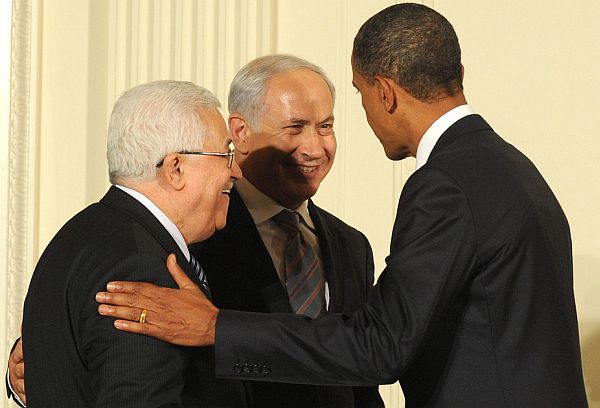
Gershon Baskin believes that the Middle East conflict has no chance of ending without sitting down together and reaching agreements.

Gershon Baskin thinks that Netanyahu has taken the first step forward on the path toward true equality. Now he must be encouraged to continue to journey.
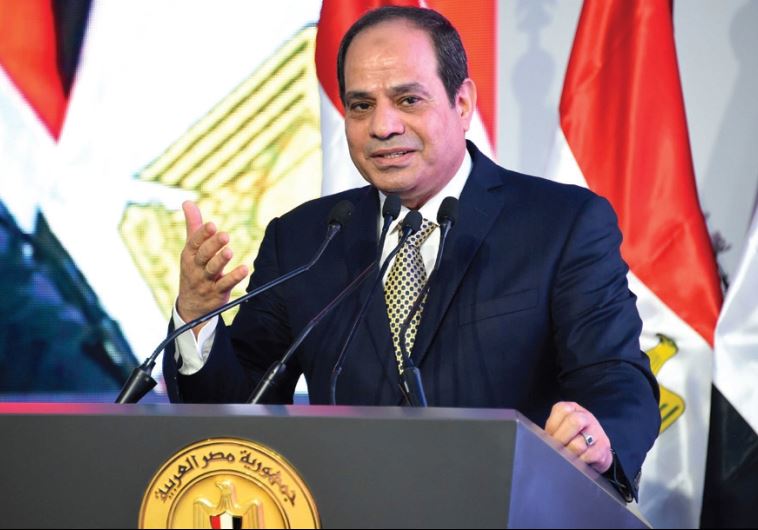
Gershon Baskin understands that Egypt wants to create a regional quartet, which includes renewing direct Israeli- Palestinian negotiations, with the assistance of Egypt, and the presence of Jordan at the table. This is essentially what Gershon has been speaking about for more than two years.
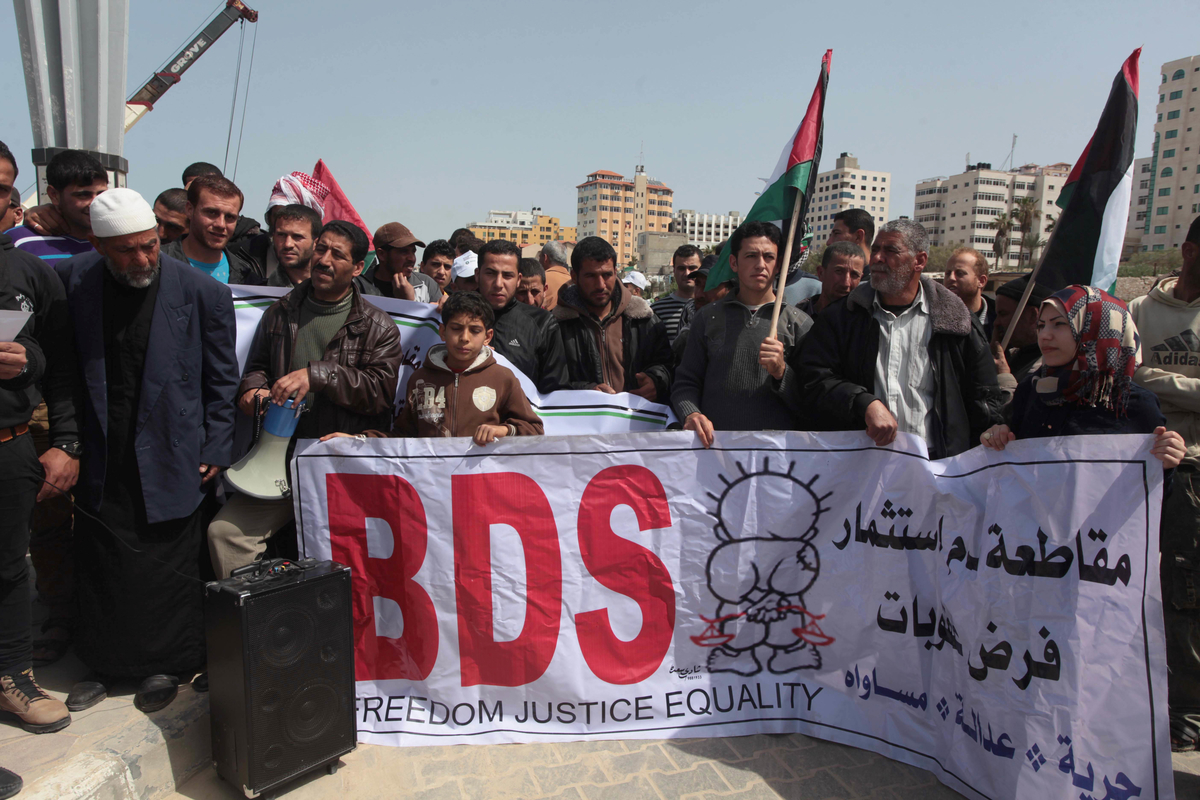
Gershon Baskin thinks that the Boycott, Divestment and Sanctions (BDS) movement is doing more harm to Palestine and Palestinian interests than a concerted, direct and strategic campaign to engage Israelis would.
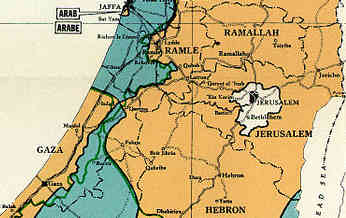
Gershon Baskin thinks that today we have a one-state binational reality and it is bad for Israel and bad for Palestine.
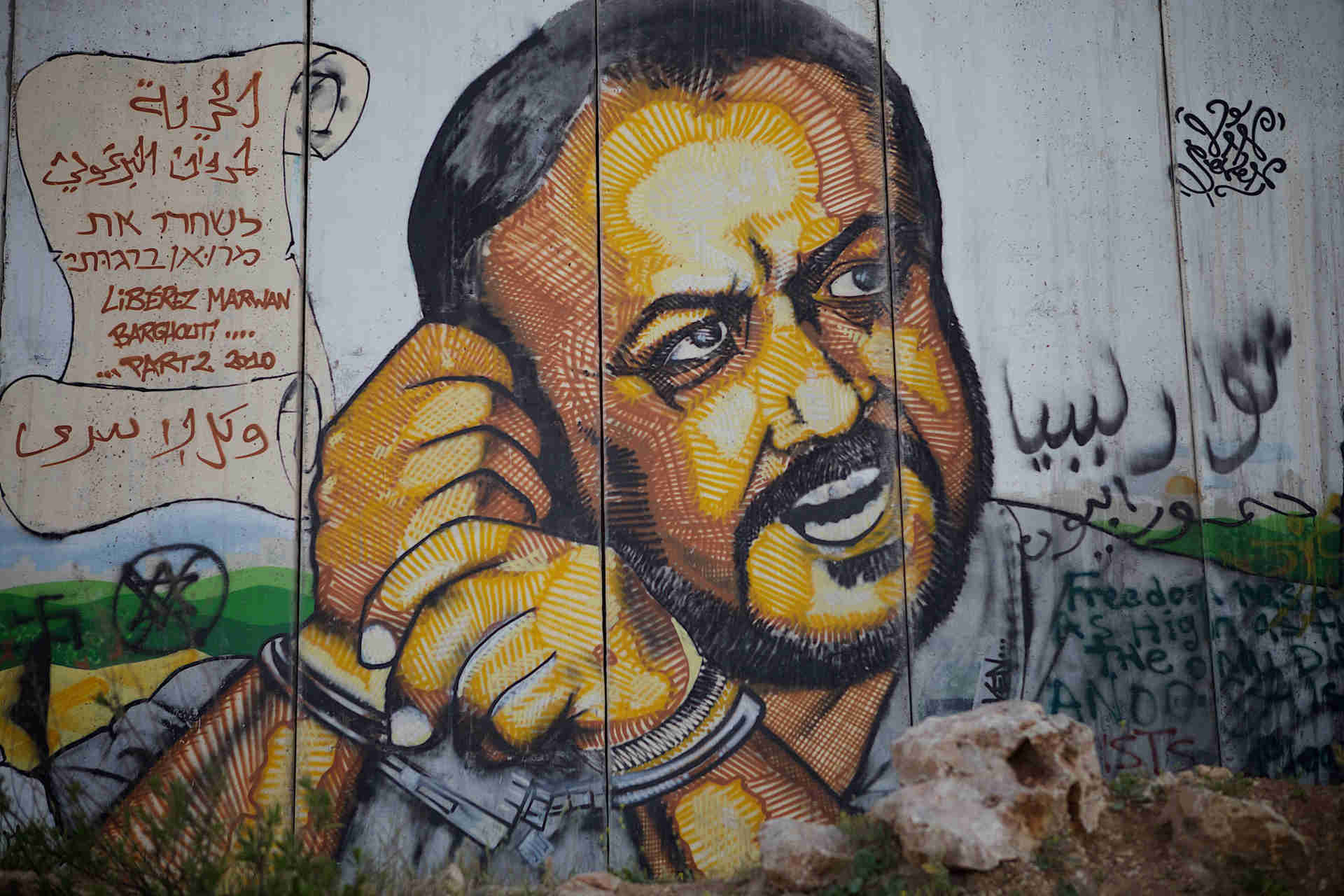
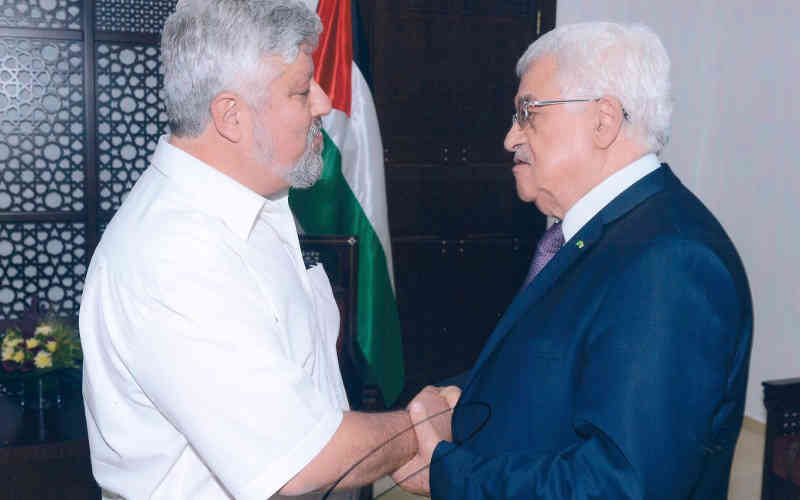
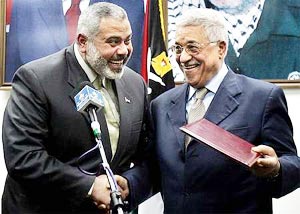
Gershon Baskin completely understands the anger many Israelis feel when they open is Facebook page and immediately see a large picture of Abbas and himself embracing.
Gershon Baskin thinks that the parameters of an Israeli-Palestinian peace agreement are well known – all it would take is an Israel government courageous enough to sign up.
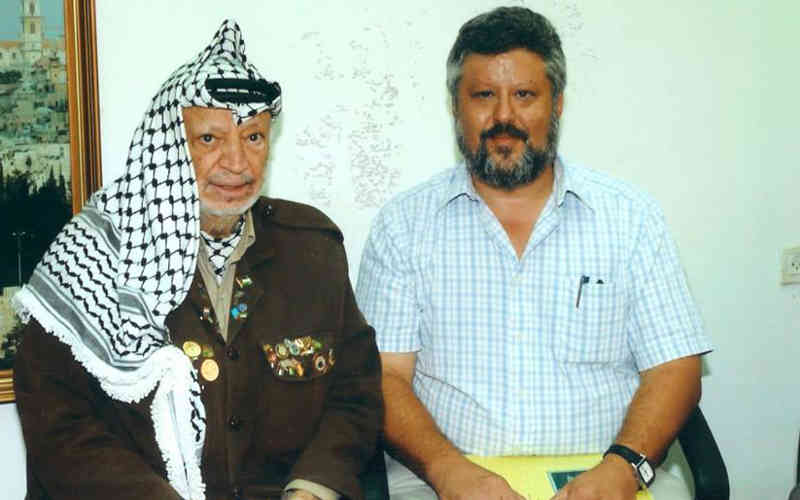
Gershon Baskin provides insights into some of the lessons that we must learn from the failures and successes of the past and proposes that we can learn from those failures and repair the damage resulting those mistakes.
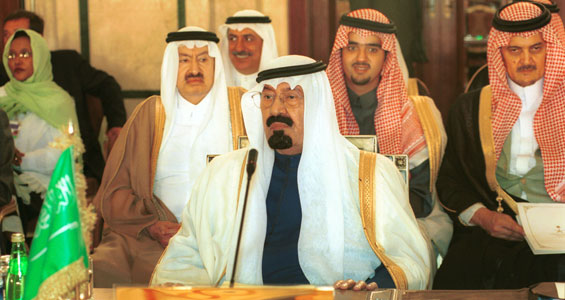
Gershon Baskin believes that the agenda would be the creation of regional mechanisms to strengthen security, stability, economic development and peace. It would also entail resolving the Israeli-Palestinian conflict.