Insights
Existential Realities
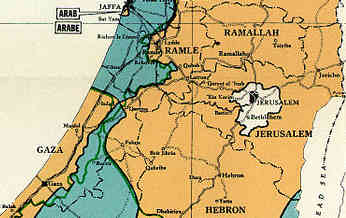
Gershon Baskin believes that for Israel, the creation of a Palestinian state based on the 1967 borders remains the surest way to preserve the Jewish people’s territorial expression on their national identity.
Gershon Baskin believes that for Israel, the creation of a Palestinian state based on the 1967 borders remains the surest way to preserve the Jewish people’s territorial expression on their national identity.
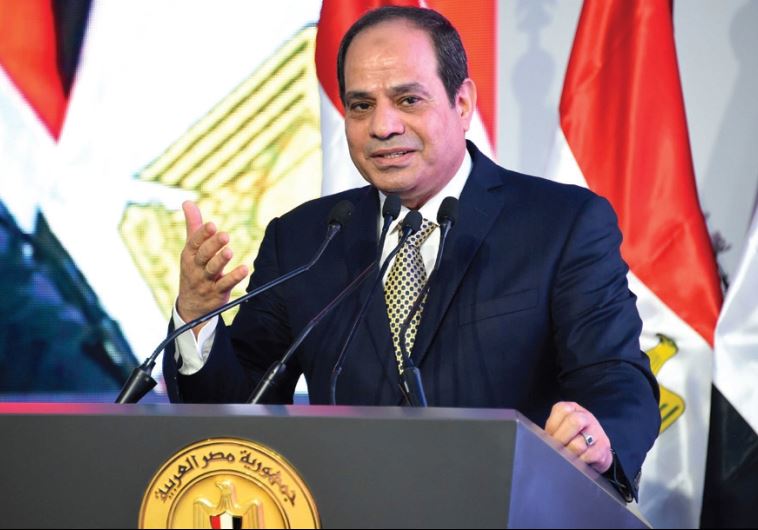
Gershon Baskin feels that people who don’t want to seriously and genuinely confront Israel’s bi-national one state reality search for fantasy dreams and proposals that avoid reality.
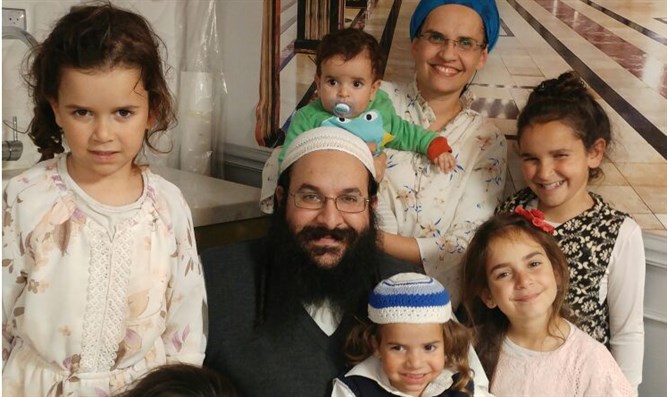
Gershon Baskin has spent his life bringing Israelis and Palestinians together to think and learn together how to end this conflict, how to build partnerships, how to cooperate and how to live in peace.
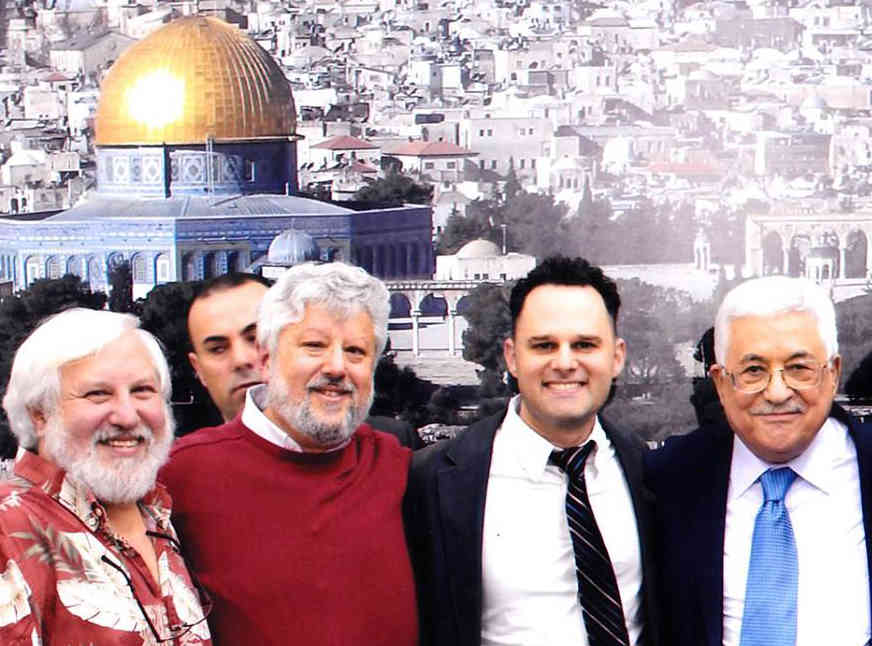
Gershon Baskin shares his ideas about what he would do if he were a Palestinian, now that the two-state solution seems impossible, but mainly because he is an Israeli Jew who really wants Israel to genuinely be the democratic nation-state of the Jewish people.
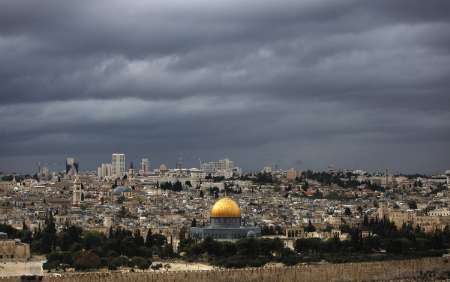
Gershon Baskin advocates mutuality and reciprocity as the basis to making real peace.
Gershon Baskin believes that for the sake of Jerusalem, we all need to find the way to celebrate its diversity and not to lock it away in the chains of possession and exclusion.
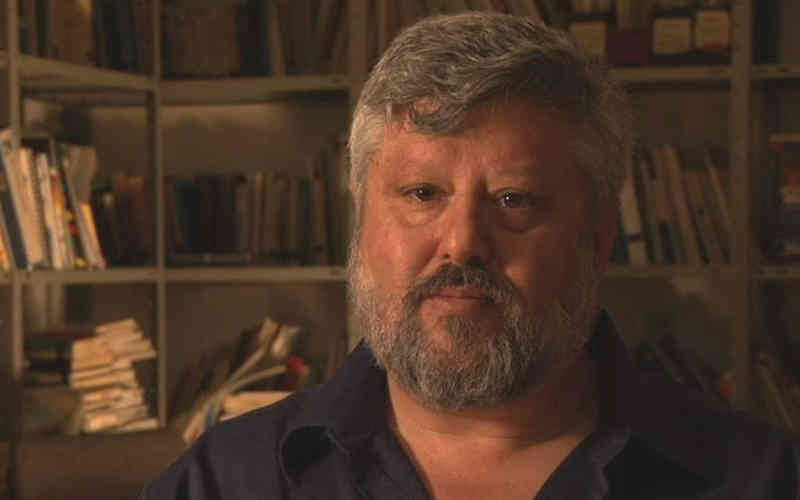
Gershon Baskin explains why he penned his memoir of thirty-eight years of intensive pursuit of peace.
Gershon Baskin feels that the US recognition of Jerusalem will have little effect outside of the immediate aftermath and that in the longer term, a solution is needed to the conflict, which can come either from US initiative or new leadership in both Israel and Palestine.
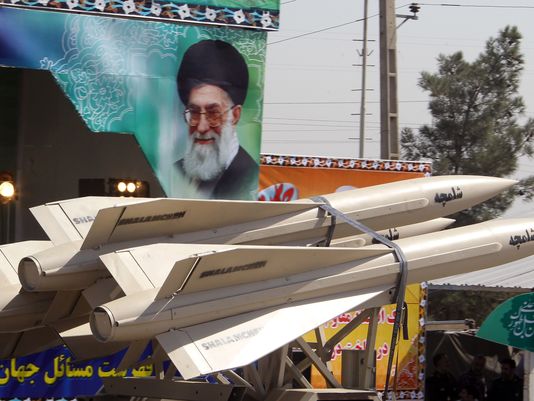
Gershon Baskin believes that the challenge facing Israeli and Iranian civil society is to take the initiative to talk, to meet, to reason and to influence.
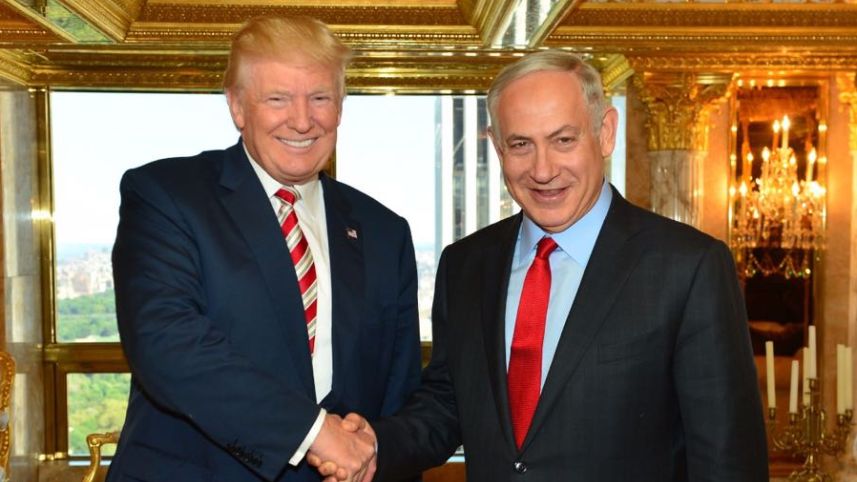
Gershon Baskin shares his impressions regarding President Trump’s remarks on Jerusalem.