Interviews
Last chance for two states?
Gershon Baskin, Israeli director of an Israeli/Palestinian think tank, fears that the window of opportunity for a two state solution is rapidly closing
Gershon Baskin, Israeli director of an Israeli/Palestinian think tank, fears that the window of opportunity for a two state solution is rapidly closing
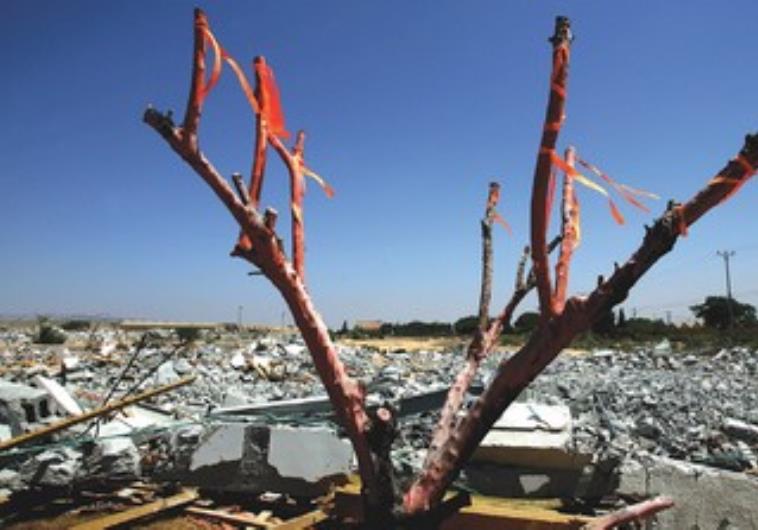
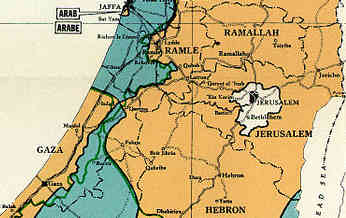
Gaza will not disappear and the people there will remain part of the Palestinian people and when there is a peace agreement that will create the Palestinian state next to Israel, Gaza will have to be included in those developments.
Gershon Baskin claims that the original People to People (P2P) program was entrusted to the Norwegian government, as an act of gratitude for having handled the Oslo Accords

Gershon Baskin believes that Jerusalem needs someone who will put the unique needs of the city and its people first.
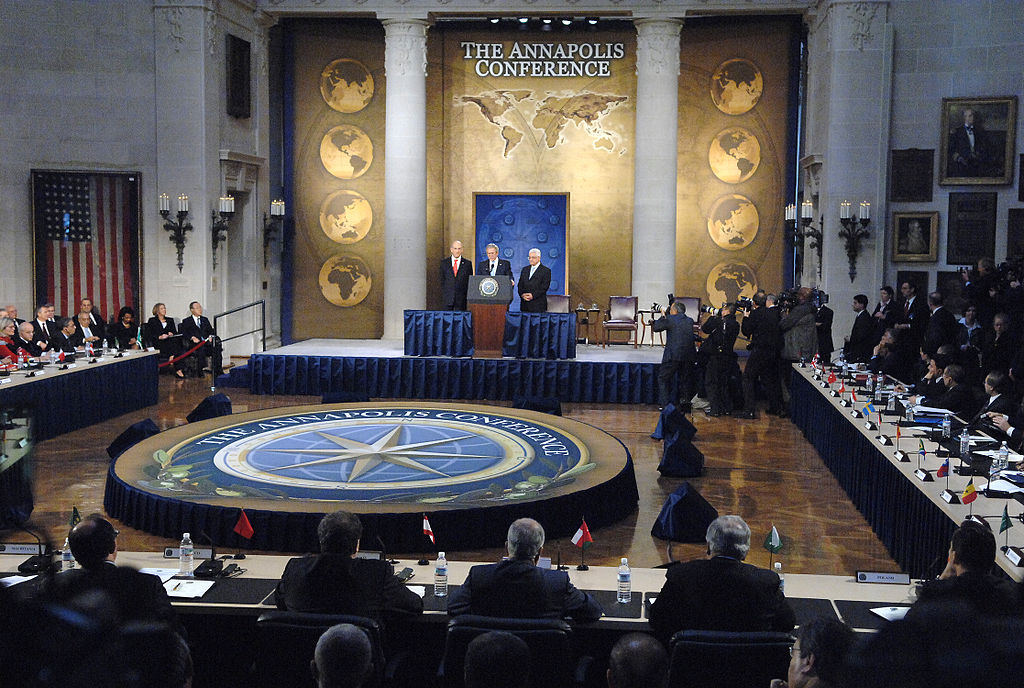
The very future of the viability of the two-state solution is at stake. The Annapolis process has taken off. It must now succeed.
There is a shared, deep sense of concern – on both sides of the ocean – that Annapolis must succeed, failure is not an option, the consequences of failure are too severe. Annapolis is not going to be a negotiating forum; everything must be concluded prior to arriving there.

we call upon the two leaders to work out a results-based implementation plan with clear benchmarks that will concretely reflect positive changes in the life of the Palestinian and Israeli people, and to provide peace, respect for human rights and security to the two peoples
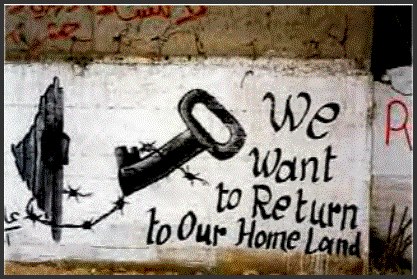
Creating and sustaining the lie that the Palestinian refugees of 1948 would return to their original homes and lands makes it almost impossible for President Mahmoud Abbas to reach an agreement with Israel on this, the most central issue in the conflict.
This is the moment of truth. There may be no such moments in the near future. Of course there are many risks involved but there are even more risks for both sides if they fail to reach agreement. This is the real test of leadership.

A Ministry of Peace aims at enlarging the tool box of resources at the disposal of governments for dealing with conflicts, internal and external, and at enabling governments to develop alternative policies to the use of force.