
Video
Where now for the Israeli peace movement?
Peter Beaumont talks to Gershon Baskin and other leftwing Israelis about the impact of the Gaza conflict on upcoming elections
Peter Beaumont talks to Gershon Baskin and other leftwing Israelis about the impact of the Gaza conflict on upcoming elections
In meetings with Hamas figures, arranged through texts, calls and emails, Baskin established a kind of one-way channel of communication to the office of Israel’s prime minister
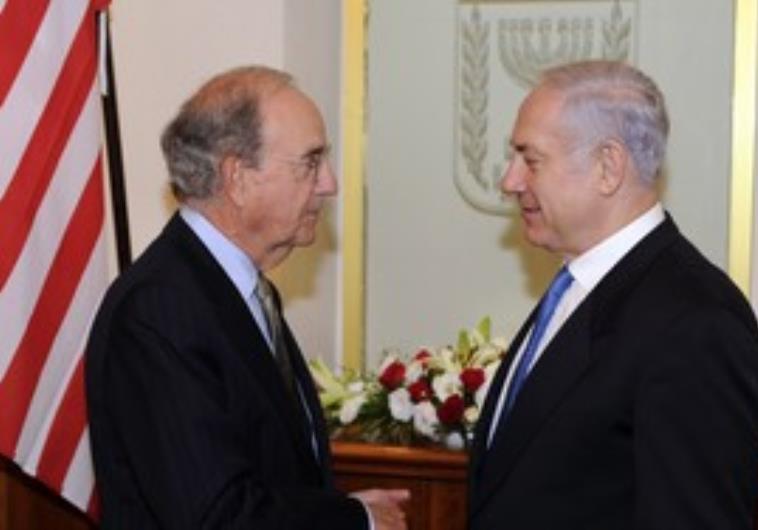
Rather than taking a knee-jerk negative response, the new government of Israel would be wise to plan a strategy for renewing a serious peace process predicated on more international involvement.

As we watch the Gaza bloodshed with horror, appalled at how the crisis is spiralling further out of control, one thing is clear — this violence will only lead to further civilian suffering and an escalation of the conflict.
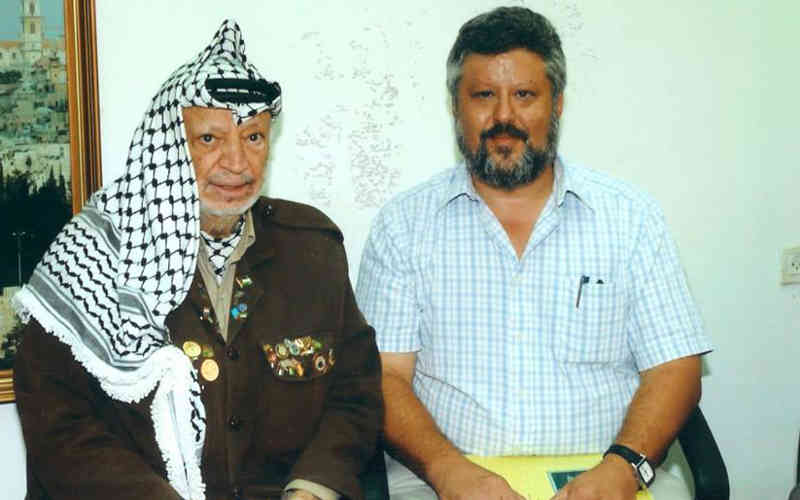
There has been almost no systematic long-term strategic planning as regards how we envision our relations with the Palestinians.

Gershon Baskin shares his ideas at the MePeace Peace Cafe in Bet Jalla, on the need for people to share their opinions and speak to one another to promote Peace.

Gershon Baskin observed how Israel ‘s unilateralism and determination not to negotiate and engage President Mahmoud Abbas and the Palestinian Authority has strengthened the claims of Hamas.
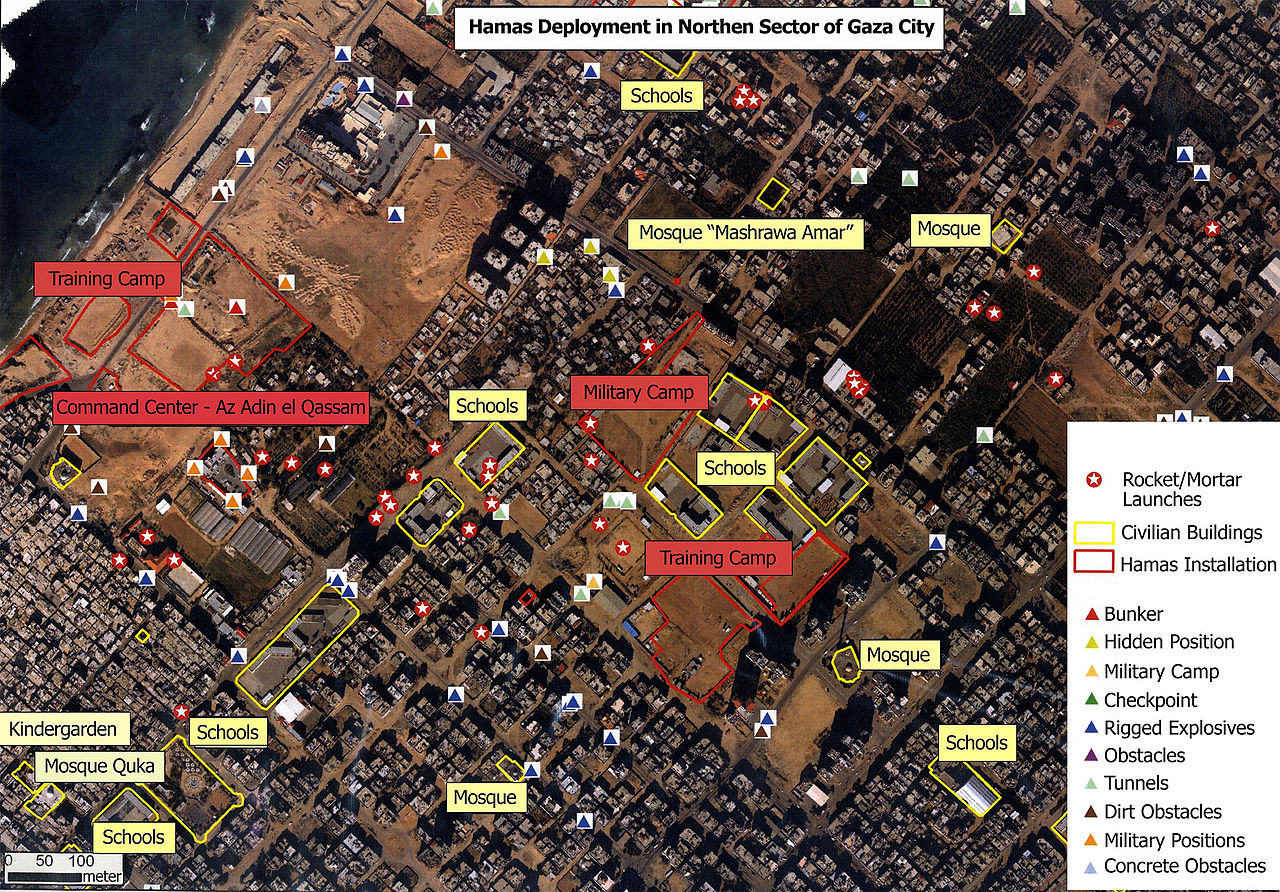
If the end of this war results in a regime change in Gaza, there may be a possibility to rebuild Gaza and heal some of the wounds of this battle.

The end of Zionism is in sight, brought to us by the very hands that created the binational reality on the ground in the name of Zionism.

The Annapolis conference in Maryland held in 2007 and sponsored by President Bush, fell short of achieving its aim of concluding a peace agreement between Israel and the Palestinians by the end of 2008. Even so, Mr Bush can now leave office knowing that the aims of Annapolis have at least been enshrined in UN Security Council Resolution 1850 which passed without opposition on Tuesday.
“What that resolution does,” said US Secretary of State Condoleezza Rice, “is to put the international community on record in believing in the irreversibility of the Annapolis process – bilateral negotiations toward a two-state solution, a comprehensive solution, and the various principles of Annapolis and what the parties have established since then.” The peace process has become “the Annapolis process”. What if anything that process will yield in 2009 is far from clear. An international meeting in Moscow is under consideration.