Insights
Get real, get down
Since it seems that we cannot depend on the international community to guide us to the shores of peace, the leaders of Israel and Palestine should stop dragging their feet and present a serious plan to their people.
Since it seems that we cannot depend on the international community to guide us to the shores of peace, the leaders of Israel and Palestine should stop dragging their feet and present a serious plan to their people.

Gershon Baskin appeals to the dean of the Simon Wiesenthal Center to work together to make a real positive contribution towards peace, understanding and real tolerance.
Not one country in the world recognizes our capital, Jerusalem, as the capital of Israel. Even the United States footnotes the following on the State Department Web page: Israel proclaimed Jerusalem as its capital in 1950. The US, like nearly all other countries, maintains its embassy in Tel Aviv. UN Security Council Resolution 478 declared the 1980 Jerusalem Law that declared Jerusalem to be Israel’s “eternal and indivisible” capital null and void, affirming that it was a violation of international law.
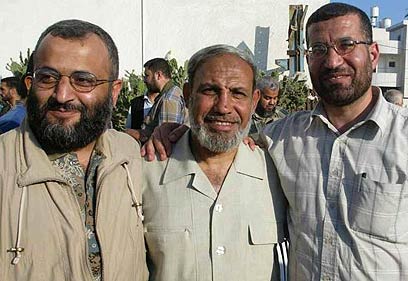
If we want change in Gaza, we have to change the way we treat Gaza. Hamas is the enemy, the people of Gaza are not.
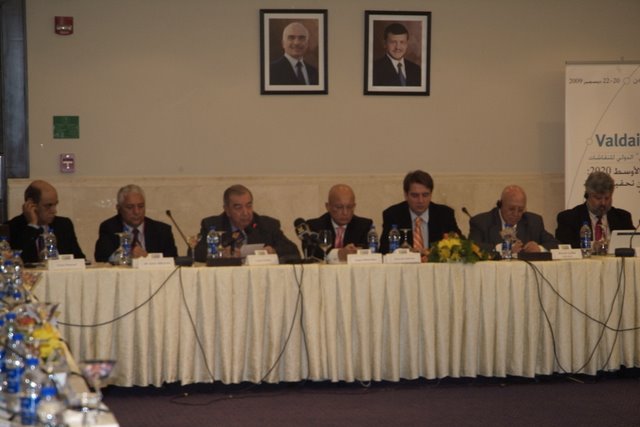
Remarks by Gershon Baskin at the opening session of the “Middle East 2020: Is the Comprehensive Settlement Possible?” conference held the shores of the Dead Sea in Jordan (December 20-22, 2009).
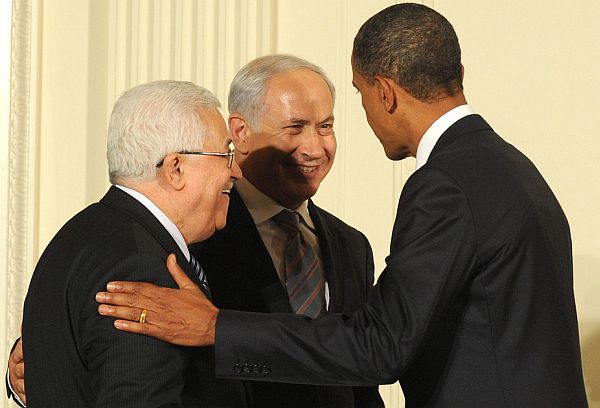
Peace…needs leadership, ingenuity, creativity, boldness, and determination. This is what we expect from the Obama administration. We don’t want more of the same. We want and need a real change. This is the moment for making history.

Resolving that Jerusalem will be the capital of two states is not only doable, it is the only way that Jerusalem will be recognised as the capital of Israel.
More than 10 months have passed since President Barack Obama entered the White House and seven months since Prime Minister Binyamin Netanyahu took over the reins in Jerusalem and there is still no peace process worth mentioning.
Netanyahu campaigned on the slogan of “economic peace” and boasted that he would help the Palestinians build their state from the bottom up by strengthening their economy and thereby “giving them something to lose,” so that they will not revert back to violence.
There is little chance that bilateral negotiations at this time will be capable of producing agreements on either the Israeli-Palestinian or Israel-Syria track. The US mediator has been focusing on “process” rather than “substance”.
Never before has it been clearer what the parameters of Israeli-Palestinian peace are, and never before has the global consensus on those parameters been so overwhelming.